Guide
Healthy weight loss basics: what works before any supplement
Healthy weight loss is usually gradual, around one to two pounds a week according to the CDC, and it rests on food, movement, sleep and support. A supplement may sit beside those habits but cannot replace them. Reliable programs set realistic goals, avoid extreme promises and involve a health professional when you have a condition.
Written by the Burn Gummy label deskUpdated
Pace01
How fast is healthy weight loss?
The CDC describes losing one to two pounds a week as gradual and steady, and notes that people who lose weight slowly are more likely to keep it off. (CDC, Losing weight) That is a pace of roughly four to eight pounds a month. Faster losses happen, especially early on when water and stored carbohydrate drop, but a fast start is not a rate to plan around.
NIDDK adds that a safe program can aim for five to ten percent of starting weight over six months. (NIDDK, Choosing a safe weight-loss program) For a person who weighs 200 pounds, that is 10 to 20 pounds. The figure is a population guide and not a promise, and it is worth saying aloud because supplement marketing often names a speed. The weight-loss numbers guide has a calculator for your own figures.
The habits02
Which habits carry most of the result?
| Habit | What it looks like | How much it matters |
|---|---|---|
| Food | Fewer calories than you use, from foods you can live with | The largest lever |
| Movement | Regular activity you enjoy, plus strength work | Large, and helps keep weight off |
| Sleep | Consistent hours, a dark room | Supports appetite and mood |
| Support | A clinician, a group or a friend | Helps you stay with the plan |
| A supplement | One gummy a day, if you choose | Small at best; evidence is for ingredients, not the product |
The order matters. A supplement bought before the habits are in place tends to be judged against a standard it cannot meet, and the result is disappointment or a bigger purchase. Put the first four in place and then decide whether you want a fifth.
Food03
What should you change about food first?
Most people do better with a few durable changes than with a strict plan they drop in a month. NIDDK suggests choosing a program that teaches skills such as reading labels, planning meals and handling slips. (NIDDK, Choosing a safe weight-loss program)
- Keep a plain food log for a week to see what you eat now.
- Swap sugary drinks for water or unsweetened options.
- Add vegetables and protein at meals so that you stay full on fewer calories.
- Keep portions of the foods you love, instead of banning them.
Be wary of any plan that cuts a whole food group without a reason from your doctor, or that promises a result within days.
Movement04
How much movement helps?
The Diabetes Prevention Program, a large study of people at risk of type 2 diabetes, combined about seven percent weight loss with 150 minutes of moderate activity a week and lowered the risk of developing diabetes. (NIDDK, Diabetes Prevention Program) That is a program of food, movement and coaching, not a pill, and it is the best evidence we have that habits change outcomes.
Start where you are. A ten-minute walk after a meal is a real start, and so is a set of body-weight exercises at home. Add time before intensity, and ask your doctor first if you have heart disease, joint problems or have been inactive for a long time.
Sleep and stress05
Do sleep and stress affect weight?
They affect the things that drive weight: appetite, cravings, energy for activity and the odds that you will cook instead of order in. Short, broken sleep makes the next day's food choices harder for most people. You do not need a perfect routine. A regular bedtime, a screen-free half hour and a cooler dark room are cheap places to begin.
Stress is harder to remove and easier to redirect. A walk, a call with a friend or a few minutes of slow breathing can take the edge off without food.
Supplements06
Where does a supplement like Burn Gummy fit?
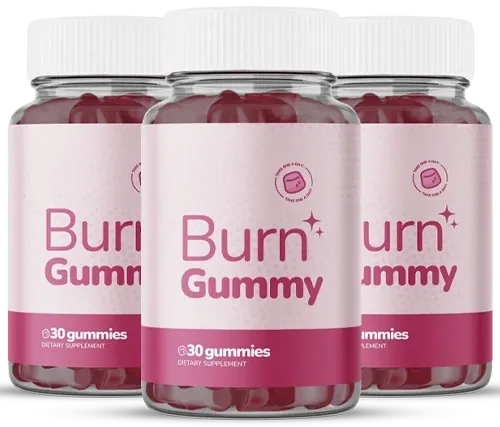
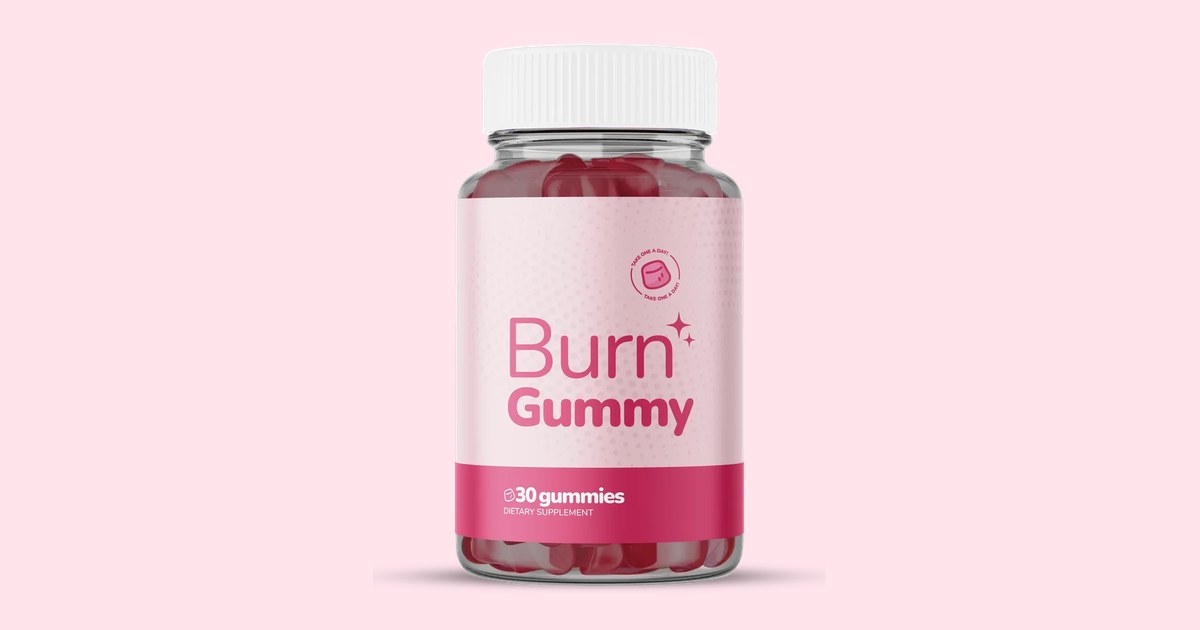
Beside the habits, never instead of them. NIH reviews of weight-loss supplements find little reliable evidence that most products work, and they note that safety is a worry for some. (NIH ODS, Weight-loss supplements) Burn Gummy contains chromium, berberine and cinnamon bark extract at the amounts on the label. Reviews of berberine show modest average changes in weight over months at higher doses than one gummy supplies. (Elahi Vahed et al., Int J Obes 2026)
If you decide to try it, treat it as an experiment with a start date, a weight and waist you measure the same way each week and an end date for the decision. The 60-day guarantee gives you a window to judge. Keep your doctor in the loop if you take medicine, as the medicines guide explains.
Red flags07
Which weight-loss promises should you walk away from?
- Rapid results with no change in food or movement.
- A secret, a hack or a breakthrough that doctors do not want you to know.
- Before and after photos with no source.
- Pressure to buy now or a countdown clock.
- A celebrity endorsement you cannot trace to the celebrity. (FTC, Did a celebrity really endorse that?)
The FTC lists several such tip-offs as signs of health fraud. (FDA, 6 Tip-offs to Rip-offs) A reputable product can live without them, and a page that depends on them is telling you something.
Medical help08
When should you involve a clinician?
Talk to a doctor before you start if you have diabetes, heart, kidney or liver disease, an eating disorder history, or take regular medicine. Ask again if you plan a large change, such as a very low calorie diet. A clinician can check for medical causes of weight gain, discuss prescription options and set a plan that is safe for you.
If a plan makes you feel faint, anxious about food or unable to eat normally with others, stop and ask for help.
Sources09
Which sources support this guide?
- Losing Weight. Centers for Disease Control and Prevention, n.d..People who lose weight at a gradual, steady pace of about 1 to 2 pounds a week are more likely to keep it off. Even modest loss, such as 5% of body weight, can improve blood pressure, cholesterol and blood sugar. Unrealistic goals such as 20 pounds in 2 weeks can leave you defeated. The page advises talking with a provider about weight concerns and medicines.
- Choosing a Safe and Successful Weight-Loss Program. National Institute of Diabetes and Digestive and Kidney Diseases (NIH), n.d..Warning signs include promises like 'lose 30 pounds in 30 days', weight loss with no diet or exercise, important details hidden in small print, and before-and-after photos or endorsements that seem too good to be true. Experts suggest an initial goal of 5% to 10% of starting weight within 6 months. Ask your health care professional to review the medicines and supplements you take.
- Diabetes Prevention Program (DPP). NIDDK (NIH), 2021.In the DPP, lifestyle changes aiming for 7% weight loss and 150 minutes of exercise a week cut the risk of developing type 2 diabetes by 58% versus placebo (71% in people 60 and older). Metformin cut risk by 31%.
FAQ10
Healthy weight loss: questions
What is a healthy rate of weight loss?
The CDC describes one to two pounds a week as gradual and steady.
Can I lose weight with a supplement alone?
Evidence for that is weak. Habits carry most of the result.
How much weight loss improves health?
NIDDK gives five to ten percent of starting weight over six months as a safe goal for many adults.
Why does weight drop fast at the start of a diet?
Early loss includes water and stored carbohydrate. It is not a rate to expect to keep.
Do I need to exercise to lose weight?
Food drives most of the early loss, and movement helps keep it off and supports health.
Is it safe to start a diet while on medicine?
Ask your prescriber first, because eating less can change how much diabetes medicine you need.
What if I regain weight?
Regain is common and not a personal failure. Return to the habits, and ask your clinician about support.
Who wrote this11
Written and reviewed by
Pages built from the label graphic, the sales page and linked NIH, FDA, CDC, FTC and peer-reviewed sources.
Last updated . Read our editorial standards and how we check reviews. This website is run by Myburngummy, a U.S. stocking partner for Burn Gummy, not by the manufacturer. We make money when you buy through our order links.
Keep reading
More about Burn Gummy

U.S. stocking partner for Burn Gummy
Ready to try Burn Gummy?
Check your medicines first, then pick a pack. Six jars cost the least per jar, and every pack carries the 60-day money-back guarantee on the sales page.
- Checkout on the sales page
- 60-day money-back guarantee
- Shipping shown at checkout