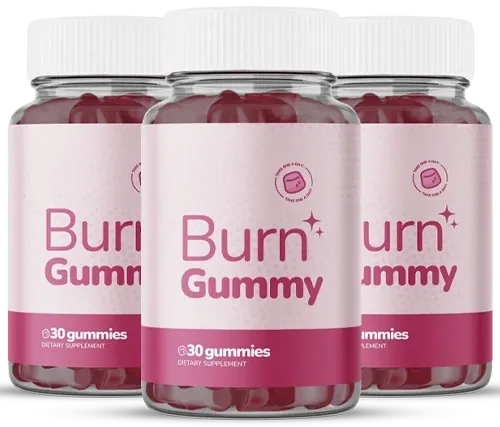
Guide
Weight loss numbers: what 5% and 10% mean in pounds and weeks
A useful first weight-loss goal is five to ten percent of starting weight, the range NIDDK gives for a safe program over six months. At 200 pounds that is 10 to 20 pounds, which takes roughly five to twenty weeks at the CDC's one to two pounds a week. The calculator below does the arithmetic in your browser.
Written by the Burn Gummy label deskUpdated
Calculator01
What do 5% and 10% of your weight look like?
Type your starting weight in pounds. The calculator works in your browser and does not send the number anywhere.
Type a weight to see what 5% and 10% mean in pounds, and how long a gradual pace takes.
5-10% of starting weight is the range NIDDK gives for a safe weight-loss program over 6 months (NIDDK, Choosing a safe weight-loss program); CDC describes 1-2 pounds a week as gradual and steady (CDC, Losing weight). These are population guides, not a promise or a prescription for you.
The output is a guide. Your own plan should come from a clinician who knows your health, and a target is a direction rather than a deadline.
Why 5-10%02
Why do health agencies focus on five to ten percent?
Because modest losses bring measurable gains. NIDDK describes a safe program as one that aims for five to ten percent of weight over six months. (NIDDK, Choosing a safe weight-loss program) The CDC adds that people who lose weight gradually are more likely to keep it off. (CDC, Losing weight) In the Diabetes Prevention Program, about seven percent weight loss with activity cut the chance of developing diabetes. (NIDDK, Diabetes Prevention Program)
The goal is a health result, not a number on a scale. A smaller body that you can maintain beats a larger loss that returns.
Examples03
How many pounds and weeks does that mean at different starting weights?
| Starting weight | 5% | 10% | Weeks for 5% at 1-2 lb | Weeks for 10% at 1-2 lb |
|---|---|---|---|---|
| 160 lb | 8 lb | 16 lb | 4 to 8 | 8 to 16 |
| 200 lb | 10 lb | 20 lb | 5 to 10 | 10 to 20 |
| 240 lb | 12 lb | 24 lb | 6 to 12 | 12 to 24 |
| 280 lb | 14 lb | 28 lb | 7 to 14 | 14 to 28 |
Real life is bumpier than a table. Weeks with no change are normal, and so are weeks with a larger drop. Read the trend over a month, not a day.
Measuring04
How should you measure progress?
Weigh at the same time
Use the same scale, first thing in the morning, after the toilet and before food, once or twice a week.
Track your waist
Measure at the navel with a soft tape. Waist often changes when the scale stalls.
Watch the trend
Average four weeks together, so that water shifts do not mislead you.
Note how you feel
Energy, sleep, clothing fit and mood are results too.
Plateaus05
Why does weight loss stall?
As weight falls, the body needs fewer calories, so the same plan yields less over time. Water shifts, hormones across the month and a rise in muscle can mask fat loss on the scale. A stall of a couple of weeks is common and rarely a sign of failure.
Before you change anything, check the basics: portions have not crept up, activity has not slipped, sleep is steady. If the stall passes a month and you still follow the plan, bring it to your clinician rather than to a stronger supplement. (NIH ODS, Weight-loss supplements)

Numbers and the gummy06
What numbers can Burn Gummy claim?
None that we can verify. The sales page uses words such as noticeable shifts in 7 to 14 days and visible changes in 60 to 90 days, with no source or sample size. (Burn Gummy sales page) Reviews of berberine report average weight changes of about a kilogram or two over months at doses higher than one gummy gives. (Elahi Vahed et al., Int J Obes 2026)
That is why we do not publish a pounds-lost figure for the product. Our results timeline sets out what a fair expectation looks like, and the guarantee page explains how to judge within 60 days.
Weigh yourself for two weeks before you start, then keep food and movement steady and compare. Without a baseline you cannot tell the gummy from the effort.
Safety07
When is a bigger number a warning sign?
If you lose more than two pounds a week for several weeks, feel faint, miss meals because you are afraid to eat or hide how little you eat, speak to a clinician. A very fast loss can affect gallstones, muscle and mood. For people on diabetes medicine, eating less can cause low blood sugar, so the dose may need adjusting. (NIDDK, Low blood glucose)
Setting goals08
How do you turn a number into a plan?
A goal works best when it is small enough to start tomorrow. Instead of aiming for 40 pounds, aim for the first five percent, then reset. Each win is a data point about what your life can sustain, and each reset lets you adjust the plan for what you learned.
- Choose a first target from the calculator, and a date several months away.
- Break it into monthly steps of four to eight pounds.
- Pick one food habit and one movement habit to practice, not ten.
- Review monthly. If the trend is flat, change one thing and wait another month.
Write the target where you will see it, and write why it matters to you. People who can name the reason, such as energy for a child or a lower blood sugar, tend to stick with a plan longer than people who only name a number.
Sources09
Where do these numbers come from?
- Losing Weight. Centers for Disease Control and Prevention, n.d..People who lose weight at a gradual, steady pace of about 1 to 2 pounds a week are more likely to keep it off. Even modest loss, such as 5% of body weight, can improve blood pressure, cholesterol and blood sugar. Unrealistic goals such as 20 pounds in 2 weeks can leave you defeated. The page advises talking with a provider about weight concerns and medicines.
- Choosing a Safe and Successful Weight-Loss Program. National Institute of Diabetes and Digestive and Kidney Diseases (NIH), n.d..Warning signs include promises like 'lose 30 pounds in 30 days', weight loss with no diet or exercise, important details hidden in small print, and before-and-after photos or endorsements that seem too good to be true. Experts suggest an initial goal of 5% to 10% of starting weight within 6 months. Ask your health care professional to review the medicines and supplements you take.
- Diabetes Prevention Program (DPP). NIDDK (NIH), 2021.In the DPP, lifestyle changes aiming for 7% weight loss and 150 minutes of exercise a week cut the risk of developing type 2 diabetes by 58% versus placebo (71% in people 60 and older). Metformin cut risk by 31%.
FAQ10
Weight loss numbers: questions
How much is 5% of my weight?
Multiply your weight in pounds by 0.05. At 200 pounds that is 10 pounds.
How long does it take to lose 20 pounds?
At the CDC's gradual pace of one to two pounds a week, roughly 10 to 20 weeks.
Is 10% weight loss a lot?
It is a significant, often health-meaningful change that many agencies suggest aiming for over about six months.
Why did my scale go up when I am following the plan?
Water, salt, hormones and muscle can add a few pounds for a day or a week. Look at the monthly average.
Should I weigh myself every day?
Some people find it helpful and others find it stressful. Once or twice a week is enough for most.
Does the calculator store my weight?
No. It runs in your browser and does not send or save the number.
Can a gummy speed up the numbers?
No reliable evidence shows that Burn Gummy does, and no trial of the product was found.
Who wrote this11
Written and reviewed by
Pages built from the label graphic, the sales page and linked NIH, FDA, CDC, FTC and peer-reviewed sources.
Last updated . Read our editorial standards and how we check reviews. This website is run by Myburngummy, a U.S. stocking partner for Burn Gummy, not by the manufacturer. We make money when you buy through our order links.
Keep reading
More about Burn Gummy

U.S. stocking partner for Burn Gummy
Ready to try Burn Gummy?
Check your medicines first, then pick a pack. Six jars cost the least per jar, and every pack carries the 60-day money-back guarantee on the sales page.
- Checkout on the sales page
- 60-day money-back guarantee
- Shipping shown at checkout