Ingredient: cinnamon
Cinnamon bark extract in Burn Gummy: what 28 mg tells you
Each Burn Gummy lists cinnamon bark extract 28 mg, with no Daily Value and no named species. Memorial Sloan Kettering says results for diabetes-related markers are mixed and larger trials are needed. We found no verified studied dose to compare with 28 mg, so no dose bar is drawn for it.
Written by the Burn Gummy label deskUpdated
What it is01
What is cinnamon bark extract?
Cinnamon bark extract is a concentrate of the inner bark of cinnamon trees, the same material that curls into quills in the spice aisle. Extracts are standardized in some products; the Burn Gummy label gives only an amount, 28 mg, and no species. That matters because the two common kinds, cassia and Ceylon, differ in how much coumarin they carry. (MSKCC, Cinnamon)
| Name on the label | Cinnamon bark extract |
|---|---|
| What it is | Cinnamon bark; the species is not printed |
| Amount per gummy | 28 mg (no DV) |
| Amount used in research | No verified studied dose found |
| Strength of evidence | Mixed for glucose markers |
| Marketed or traditional use | Spice and traditional remedy |
| Main caution | Some cinnamon contains coumarin, which can harm the liver; reported hepatitis with statins. |
The Supplement Facts graphic prints no Daily Value for cinnamon, since none exists. In practice that means you cannot tell from the panel whether 28 mg is a lot or a little; you need outside context, which the sections below supply. Several kinds of product sit under the same name on shelves, from ground spice to concentrated extracts, and only the label amount and form let you tell them apart.
The research02
Does cinnamon help with blood sugar or weight?
Cinnamon is the best known of the three ingredients to people interested in blood sugar, and the evidence is the least settled. Memorial Sloan Kettering reports mixed results for diabetes-related markers and says larger, well-designed trials are needed. (MSKCC, Cinnamon) NCCIH counts cinnamon among a few supplements with only weak evidence. (NCCIH, Diabetes and Dietary Supplements)
For weight we found no meta-analysis comparable to those for berberine and chromium. The sales page's line that cinnamon is “studied for glucose response support” is therefore literally true but says little: it is studied, with inconsistent outcomes. (Burn Gummy sales page)
Our other two ingredient pages compare the label amount with a studied range. For cinnamon we could not verify a studied dose from the sources we trust, so the dose chart shows a plain note instead of an invented scale.
Dose check03
Where does 28 mg sit among cinnamon doses?
Whole-spice cinnamon is taken in grams, while extracts concentrate it into milligrams, so numbers are hard to compare across products. We would rather say that than guess.
What we can say is that 28 mg is a small amount by any measure, and the safety questions below are therefore more relevant to people who also eat cinnamon heavily or take other supplements.
Safety04
Is cinnamon safe, and what about coumarin and statins?
Cinnamon is safe as a food spice for most people. Some cinnamon products contain high levels of coumarin, which can damage the liver in large amounts. Memorial Sloan Kettering also notes that cinnamon taken with statins has been reported to cause hepatitis, and that lab studies suggest it may raise side effects of drugs cleared by several CYP enzymes, though the clinical relevance is unknown. Common side effects are stomach upset. (MSKCC, Cinnamon)
- Taking a statin: tell your pharmacist about the gummy.
- Liver condition or heavy alcohol use: ask your doctor first.
- On diabetes medicine: cinnamon, chromium and berberine together may add to its effect and cause lows. (NIDDK, Low blood glucose)
The picture05
What does the cinnamon photograph show?
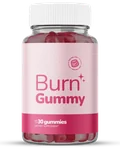
Rolled cinnamon quills seen from above, from the brand's image set. It shows what bark looks like, not what is in the gummy, which holds a milligram-scale extract inside a sugar-alcohol-sweetened pectin base.
Buying advice06
What should a shopper look for on a cinnamon product label?
Look for the species, since Ceylon and cassia cinnamon differ, and for the part used and the extract ratio if one is given. Cassia contains coumarin, which can matter for people who take a lot of it over time, while the label here names neither species nor ratio. A product that tells you how much extract is in each serving, as this one does with 28 mg, is giving you something to compare with research, even though the figure sits well below the doses most studies use.
Sources07
Where do the cinnamon facts come from?
- Diabetes and Dietary Supplements: What You Need To Know. National Center for Complementary and Integrative Health (NIH), 2023.For most supplements there is no evidence of a beneficial effect on diabetes or its complications; only weak evidence exists for a few (chromium, cinnamon, berberine, alpha-lipoic acid). It is very important not to replace medical treatment for diabetes with an unproven health product.
- Cinnamon (About Herbs). Memorial Sloan Kettering Cancer Center, 2021.Results for diabetes-related markers are mixed and larger well-designed trials are needed. Some cinnamon products contain high levels of coumarin, which can cause liver damage. Taken with statins, cinnamon has been reported to cause hepatitis; lab studies suggest it may raise side effects of drugs cleared by several CYP enzymes (clinical relevance not determined). Common side effects are stomach upset and allergic reactions.
- Low Blood Glucose (Hypoglycemia). NIDDK (NIH), 2021.For many people with diabetes, low blood glucose is below 70 mg/dL; symptoms include shakiness, hunger, tiredness, dizziness, confusion and a fast heartbeat. Severe lows can cause seizures or loss of consciousness. Insulin, sulfonylureas and meglitinides can cause it; treatment is 15-20 g of fast carbohydrate, then recheck in 15 minutes.
FAQ08
Cinnamon bark extract questions
How much cinnamon is in a Burn Gummy?
Twenty-eight milligrams of cinnamon bark extract per gummy. The label does not name the cinnamon species.
Can cinnamon supplements damage the liver?
Some cinnamon contains coumarin, which can harm the liver at high intakes. At 28 mg the exposure is low, but liver disease is a reason to ask first.
Does cinnamon interact with statins?
Hepatitis has been reported when cinnamon was taken with statins, according to Memorial Sloan Kettering. Mention it to your pharmacist.
Is cassia or Ceylon cinnamon in the gummy?
The label does not say. Cassia usually contains more coumarin than Ceylon.
Does cinnamon lower blood sugar?
Results are mixed in trials and larger studies are needed. It should not replace any diabetes medicine.
Why does the page not show a dose chart for cinnamon?
We found no verified studied dose in sources we trust, and we will not draw a bar from a guess.
Who wrote this09
Written and reviewed by
Pages built from the label graphic, the sales page and linked NIH, FDA, CDC, FTC and peer-reviewed sources.
Last updated . Read our editorial standards and how we check reviews. This website is run by Myburngummy, a U.S. stocking partner for Burn Gummy, not by the manufacturer. We make money when you buy through our order links.
Keep reading
More about Burn Gummy
U.S. stocking partner for Burn Gummy
Ready to try Burn Gummy?
Check your medicines first, then pick a pack. Six jars cost the least per jar, and every pack carries the 60-day money-back guarantee on the sales page.
- Checkout on the sales page
- 60-day money-back guarantee
- Shipping shown at checkout