Guide
Supplements and medicines: how to check for interactions
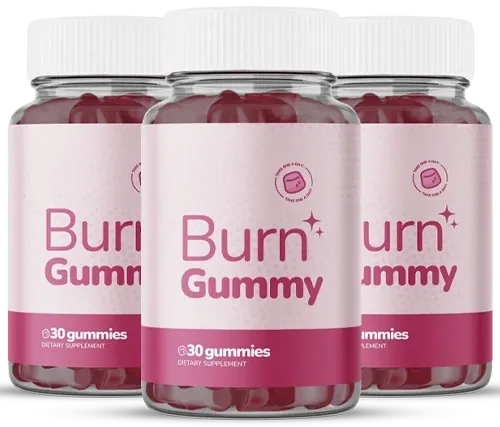
Supplements can change how medicines work. Chromium may add to diabetes drugs and affect thyroid medicine, berberine can interact with transplant and some other drugs, and cinnamon with statins has been linked to hepatitis. Keep taking prescribed medicine, tell your pharmacist about every supplement and ask before you start Burn Gummy.
Written by the Burn Gummy label deskUpdated
The idea01
Why can a supplement interact with a medicine?
A supplement is a set of active chemicals, even when it is sold as natural. They can change how your body absorbs a drug, how fast the liver clears it or how strongly it acts on its target. They can also add to a drug's effect, as when two products both lower blood sugar. The NIH advises telling your health professionals about every supplement you take, because of these possibilities. (NIH ODS, Supplements: What You Need to Know)
Most people never have a problem. The rare problems matter because they are avoidable with a short conversation.
Burn Gummy02
Which medicines matter for the ingredients in Burn Gummy?
| Medicine type | Ingredient | Concern |
|---|---|---|
| Insulin, sulfonylureas, other diabetes drugs | Chromium, berberine | Added effect, low blood sugar (NIH ODS, Chromium) |
| Statins | Cinnamon | Hepatitis reported with the combination (MSKCC, Cinnamon) |
| Tacrolimus, cyclosporin, bosutinib | Berberine | Raised drug levels (MSKCC, Berberine) |
| Levothyroxine | Chromium | Possible reduced absorption (NIH ODS, Chromium) |
| Liver-affecting drugs | Berberine, cinnamon | Rare liver injury has been reported; monitor (NIH LiverTox, Berberine) |
The list shows where to ask, not where harm is certain. Your pharmacist can check the exact drug and dose.
Before you start03
What should you do before starting a supplement?
List everything you take
Prescriptions, over-the-counter medicines, vitamins, herbs and gummies.
Bring the label
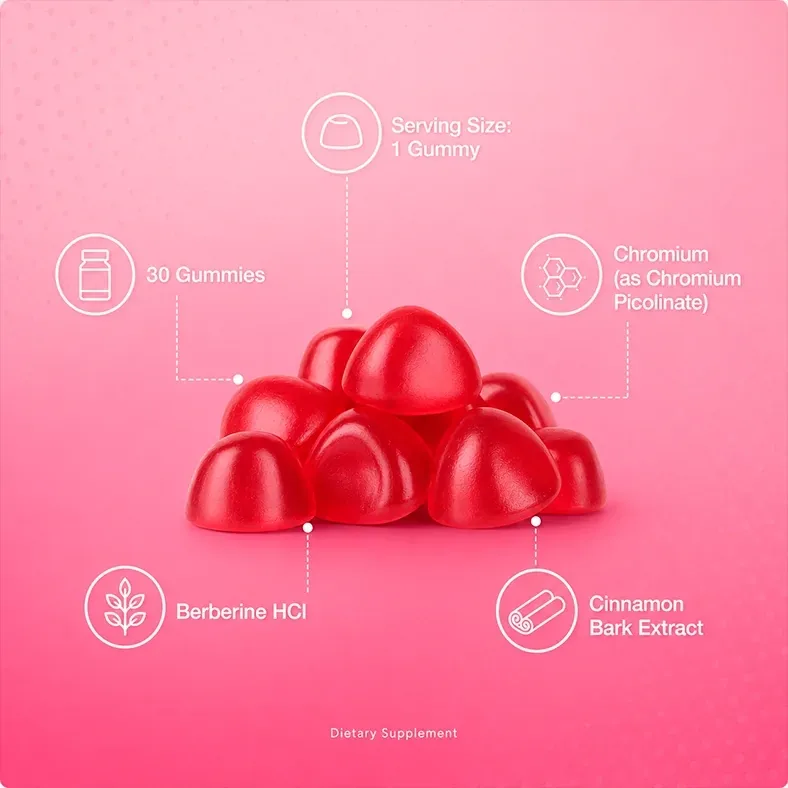
The Supplement Facts graphic shows amounts. Photograph it.
Ask two questions
Is any of this a problem with my medicines, and what should I watch for?
Agree a plan
Decide who to call, and what to do if something feels wrong.
A pharmacist is often the quickest person to ask, and the service is usually free.
Important04
Should you ever stop a prescription for a supplement?
A supplement is not a substitute for a prescription. Stopping a medicine on your own can be dangerous, particularly for diabetes, blood pressure, thyroid and transplant drugs. (MedlinePlus, Metformin)
If you wish to reduce a medicine because your health has improved, make that decision with your prescriber, who can check your numbers and adjust safely. Weight loss alone can change the dose you need.
Practical05
Does timing matter?
Sometimes. Certain minerals can reduce the absorption of other drugs when taken together, so pharmacists often advise spacing them by a few hours. For thyroid medicine, which is usually taken on an empty stomach, ask whether chromium should be taken at another time of day. The gummy is meant to be taken once a day, preferably in the morning, and the sales desk has not published timing advice for specific drugs, so ask your pharmacist.
Special cases06
Who needs extra care?
- Pregnant or breastfeeding: berberine is advised against in pregnancy and breastfeeding. (MSKCC, Berberine)
- People with liver or kidney disease.
- Anyone facing surgery.
- Older adults who take several medicines.
- Children: the product is labeled for adults.
If something goes wrong07
How do you report a problem?
Stop the product and call your doctor. Then report the problem to the FDA, which collects reports of illness or injury from dietary supplements. (FDA, Report a Supplement Problem) Keep the jar, the lot code and your order email, and tell the sales desk on +1 (855) 482-1597. Reports help regulators spot patterns that one person cannot see.
At the counter08
What exactly should you say to your pharmacist?
A short script helps. Say the name of the product and show the label. Say how much you plan to take and how often. Say every medicine you use, including creams, inhalers and eye drops. Then ask: could this change how any of my medicines work, and is there a symptom I should watch for?
Write the answer down. If the pharmacist is unsure, ask them to check a drug-interaction reference or to call your prescriber. You may find that the answer is fine for most medicines and needs care for one, which is useful to know. Do not be embarrassed about asking; pharmacists answer these questions daily and would rather hear them before a problem than after one.
Keep a running list on your phone with the date you started each supplement. If you feel different later, the list lets your clinician match the change to a start date.
Keep a list09
Why keep a running list of everything you take?
Because memory fails exactly when you need it. A phone note with each medicine, dose, supplement and start date lets any clinician or pharmacist check your whole picture in a minute, and lets you spot whether a new symptom followed a new product. Update it whenever something changes, including short courses of antibiotics or pain relievers, and bring it to every appointment. People who keep a list are the people for whom an interaction check is quickest and most reliable.
Sources10
Which sources back this guide?
- Chromium: Fact Sheet for Health Professionals. NIH Office of Dietary Supplements, 2022.Adequate Intake for adults is 20-35 mcg/day depending on sex and age (men 19-50: 35 mcg; women 19-50: 25 mcg); the Daily Value is 35 mcg. Most glucose trials used about 200-1,000 mcg/day, mainly as chromium picolinate, with mixed results; chromium does not appear to change glucose in healthy people. Chromium may add to the effect of insulin and other diabetes drugs (raising low-blood-sugar risk) and may reduce levothyroxine absorption.
- Berberine (About Herbs). Memorial Sloan Kettering Cancer Center, 2023.Berberine is an alkaloid from plants such as barberry, goldenseal and Oregon grape. The page reports animal weight data and one meta-analysis linking it to better body measurements, says studies in type 2 diabetes and cholesterol are of limited quality, lists mild side effects (appetite loss, upset stomach, diarrhea, constipation, rash), and calls it 'not a substitute for lifestyle changes'. It advises avoiding berberine in pregnancy and breastfeeding (it may worsen newborn jaundice) and names interactions with tacrolimus, cyclosporin, bosutinib, sulfonylureas and drugs cleared by CYP2D6, CYP2C9 or CYP3A4.
- Cinnamon (About Herbs). Memorial Sloan Kettering Cancer Center, 2021.Results for diabetes-related markers are mixed and larger well-designed trials are needed. Some cinnamon products contain high levels of coumarin, which can cause liver damage. Taken with statins, cinnamon has been reported to cause hepatitis; lab studies suggest it may raise side effects of drugs cleared by several CYP enzymes (clinical relevance not determined). Common side effects are stomach upset and allergic reactions.
FAQ11
Supplements and medicines: questions
Can I take Burn Gummy with metformin?
Ask your prescriber or pharmacist. The ingredients may add to blood-sugar lowering, so monitoring may be needed.
Can I take Burn Gummy with a statin?
Cinnamon with statins has been linked to hepatitis, so ask first.
Does berberine interact with blood thinners?
Ask your pharmacist. Interactions vary by drug, and the sources we cite flag transplant and some cancer drugs.
Is a natural supplement safe with prescriptions?
Natural does not mean free of interactions. Always check.
Which professional should I ask?
A pharmacist for quick checks, and your prescriber for decisions about your medicine.
What if I forget to tell my doctor?
Tell them at your next visit, and bring the label.
Can I take it with over-the-counter medicines?
Often, but check with a pharmacist, especially for products that lower blood sugar or affect the liver.
Who wrote this12
Written and reviewed by
Pages built from the label graphic, the sales page and linked NIH, FDA, CDC, FTC and peer-reviewed sources.
Last updated . Read our editorial standards and how we check reviews. This website is run by Myburngummy, a U.S. stocking partner for Burn Gummy, not by the manufacturer. We make money when you buy through our order links.
Keep reading
More about Burn Gummy

U.S. stocking partner for Burn Gummy
Ready to try Burn Gummy?
Check your medicines first, then pick a pack. Six jars cost the least per jar, and every pack carries the 60-day money-back guarantee on the sales page.
- Checkout on the sales page
- 60-day money-back guarantee
- Shipping shown at checkout